Of course, you will learn much more about local history if you go on one of our trips. It can be divided into four periods, which had the same characteristics for a certain period of history.
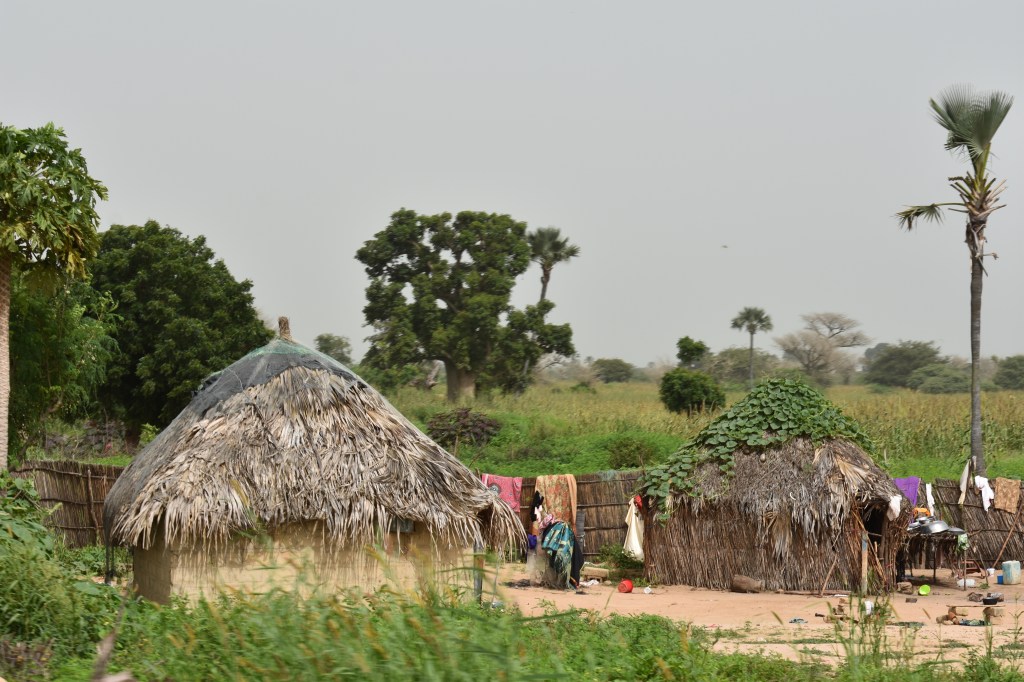
Until 15th Century: Perhaps the most interesting and the most beautiful period hqd to be the oldest, from ancient times to the arrival of Europeans on the local coast. Although we have practically no records from this period and no very significant monuments have survived, its character and traditions are still experienced today in local culture and especially in more remote rural areas.
15th to mid 19th century: The next period was rather a disaster for local society, as it brought the slave trade and fundamentally changed local society, provoking endless wars. From this period we have significant monuments commemorating this cruel history, such as the island of Goree, the city of Saint Louis, or, the island of Caraban in the south in the Casamance River delta?
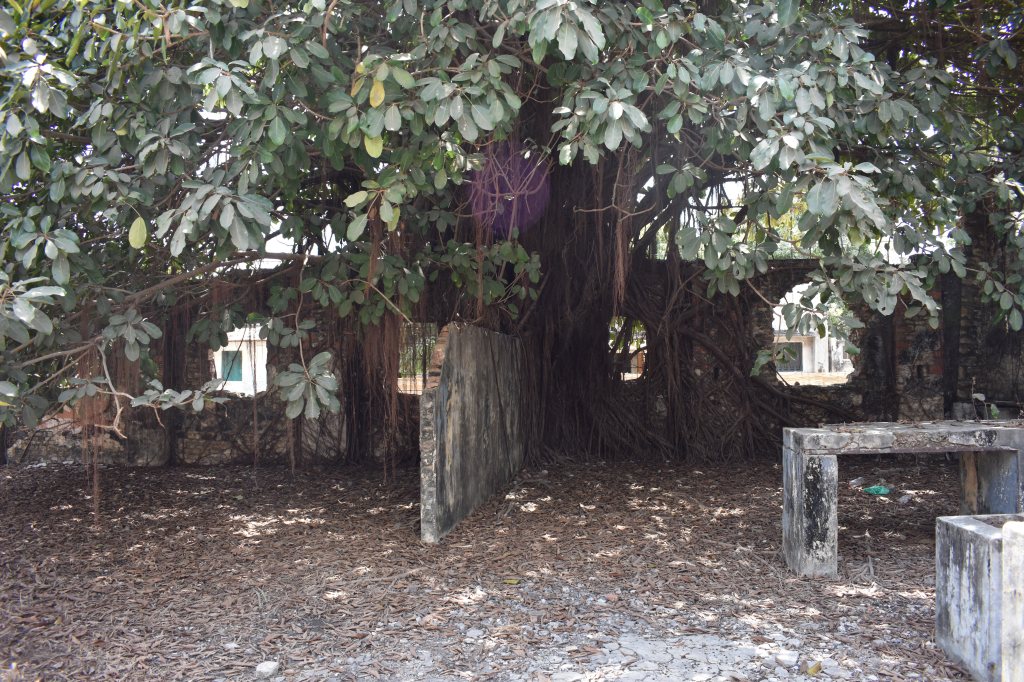
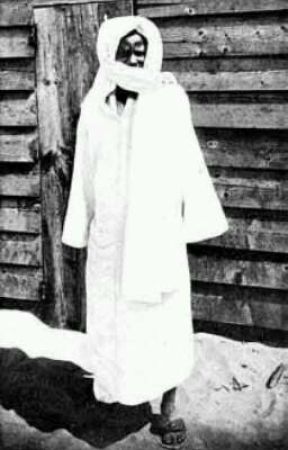
Mid 19th to 1960: The subsequent period of colonialism brought development, especially to the cities of Dakar and Rufisque. Their population grew rapidly and the locals were drawn to the European way of life and even received better treatment within the colony than the rest. However, for the local residents, other events that took place during this period are much more important, namely the resistance against the colony, whether in the form of guerrilla warfare, which was carried out by the King of the Kayor Kingdom Lat Dior during the construction of the railway to Saint Louis. But above all in the form of the pacifist resistance of the most significant historical figure here, the founder of the largest of the Islamic brotherhoods – Muirides. Cheikh Ahmadou Bamba, who was able to give the local people new pride and expand spirituality compared to the material gifts with which the colony bought the local rulers. Monuments from this period are therefore mainly the oldest part of Dakar, the Plateau district, but also the holy city of Touba, which Cheikh Ahmadou Bamba founded and in which he laid the foundation stone of the now almost completed magnificent huge mosque in its center.
1960 till now: The post-colonial period was a major problem for many African states, especially if they had a large amount of mineral wealth. Fortunately, this did not apply to Senegal until recently, and so it maintained an almost functional calm democracy and Senegal underwent only minor development until the end of the 20th century. In the early 21st century, development accelerated significantly and Dakar in particular is rapidly developing and modernizing.
 Beautiful Senegal